
Greek Island Hopping 2026: The Complete Route Guide
Greece has over 200 inhabited islands, each with its own personality. Island hopping lets you experience the incredible diversity — from party islands to peaceful retreats, volcanic landscapes to lush greenery. It's one of the most rewarding ways to travel in Europe, combining stunning scenery, ancient history, incredible food, and that famous Greek hospitality. Here's everything you need to know.
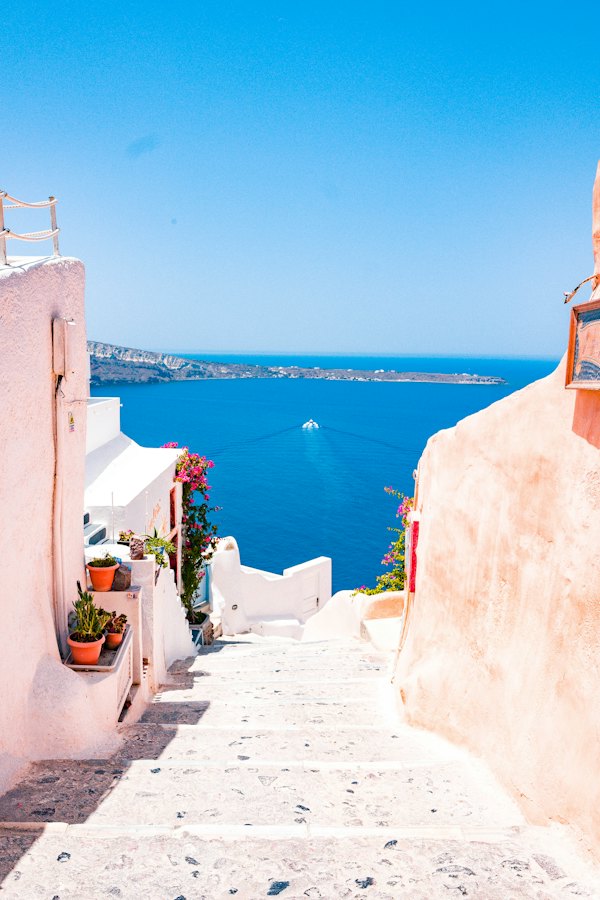
Santorini sunset over the caldera
When to go The best time for island hopping is May-June or September-October. You'll get warm weather, fewer crowds, and better prices. July and August are peak season — beautiful but packed and expensive. May is particularly lovely: the islands are green from spring rains, wildflowers are in bloom, and the sea is warm enough for swimming. September offers the warmest sea temperatures of the year, since the water has been heating up all summer.
How to get between islands Ferries are the backbone of Greek island travel. Blue Star Ferries and SeaJets are the main operators. Book at least a few days in advance in summer. For longer distances, domestic flights from Athens are also an option. High-speed catamarans are faster but more expensive and more affected by wind. Regular ferries are slower but cheaper, more stable, and have better facilities — including outdoor decks where you can watch the islands drift by. Download the Ferryhopper app for easy booking and real-time schedules.
The classic route: Cyclades
Santorini The most iconic. Famous for its white-washed buildings, blue domes, and spectacular sunsets in Oia. Stay 2-3 days. Don't miss the volcanic hot springs boat trip. Beyond the famous caldera views, explore the less-visited southern beaches — Red Beach and Perissa's black sand are both stunning. For wine lovers, the island's volcanic vineyards produce excellent Assyrtiko that you can sample at sunset wine tastings.
Mykonos The party island with a cosmopolitan vibe. Beautiful beaches, world-class restaurants, and legendary nightlife. Stay 2-3 days if you like the scene, 1-2 if you prefer calm. Take the short boat trip to Delos, the sacred island and one of the most important archaeological sites in Greece. The windmills at sunset and the narrow streets of Little Venice are as photogenic as anything in the Cyclades.
Naxos The largest Cycladic island and often overlooked. Long sandy beaches, mountain villages, and authentic Greek food. Less touristy and more affordable. Stay 2-3 days. Hike up to the village of Halki for local kitron liqueur, or rent an ATV to explore the mountainous interior. Naxos has the best beaches in the Cyclades — Plaka Beach stretches for miles of fine white sand.
Paros A perfect middle ground — charming villages, great beaches, and good nightlife without the Mykonos price tag. Stay 2 days. The village of Naoussa is one of the most beautiful in Greece — a photogenic fishing harbor lined with restaurants and bars. Paros is also the gateway to tiny Antiparos, a laid-back island perfect for a day trip.
The alternative route: Dodecanese
Rhodes Medieval Old Town (a UNESCO site), excellent beaches, and a mix of Greek and Ottoman history. Stay 2-3 days. Walking through the Old Town feels like stepping back in time — massive stone walls, cobblestone streets, and the impressive Palace of the Grand Master. The east coast has calm, clear beaches perfect for snorkeling.
Kos Great beaches, ancient ruins, and a relaxed atmosphere. A good base for day trips to nearby Turkish coast. Stay 2 days. The Tree of Hippocrates — where the father of medicine supposedly taught — is a nice historical touch.
Symi A tiny, colorful gem with a stunning harbor. No sandy beaches, but the architecture and seafood make it worth a day trip or overnight stay. Arriving by boat into Symi's harbor is one of the most breathtaking moments in Greek travel — hundreds of colorful neoclassical houses climbing up the hillside like a watercolor painting.
The hidden gems: Ionian Islands
Corfu Lush and green with Venetian architecture. Feels different from the Cyclades — more Italian than Greek. Stay 2-3 days. The northeast coast has some of the most beautiful coves in Greece, with water so clear it looks like boats are floating in air.
Kefalonia Dramatic landscapes, the famous Myrtos Beach, and underground caves. Perfect for nature lovers. Stay 2-3 days. Captain Corelli's Mandolin was set here, and when you see the turquoise waters and dramatic cliffs, you'll understand why.
Practical tips
Budget 2-3 nights per island. Any less and you'll spend more time traveling than enjoying.
Book accommodations in advance for summer, especially on popular islands. Santorini and Mykonos can sell out months ahead.
Pack light. You'll be carrying your bags on and off ferries. A backpack beats a rolling suitcase on cobblestone island streets.
Get a Greek SIM card for easy ferry booking and navigation. Cosmote has the best coverage on the islands.
Eat where the locals eat. The best tavernas are rarely on the waterfront. Walk one or two streets back and you'll find better food at lower prices.
Budget breakdown A moderate island-hopping trip for two (2 weeks, 4 islands) costs roughly $2,500-4,000 including flights to Athens, ferries, mid-range hotels, and meals. Budget travelers can do it for less by staying in hostels and eating street food. Splurging on a luxury Santorini cave hotel with caldera views will push things higher, but it's an experience worth saving for.
We have detailed hotel guides for many of the islands mentioned above, including budget hotels on Mykonos, the best stays on Paros, and where to stay on Naxos. For the Ionian route, check out our guides to Corfu and Zakynthos.
Tip: Tell Goatodeer where you want to start your island-hopping adventure, and our AI will help you find the best flights and hotels for each stop along the way.
Ready to book your trip? Let Goatodeer find the best hotels and flights for you.
Start your trip →